25+ Coders
Young Game Creators
Students engaged in gamified computational thinking
How video game development served as the ultimate Trojan horse for teaching rigorous mathematics and logical problem-solving to creative middle schoolers.
"Kids don't want to memorize dry mathematical formulas; they want to see their sprites jump, dodge obstacles, and celebrate a high score. Game development gives algorithms an immediate, joyful purpose."
Semut-Semut The Natural School has an extraordinary culture rooted in experiential learning, curiosity, and creative expression. Walking into their computer lab, I knew that traditional didactic lecturing would completely miss the mark. Instead of defining abstract programming terms like 'Cartesian planes' or 'iteration loops,' I opened Scratch and asked a simple question: 'If we want this sprite to fall with gravity and jump when we press space, what rules must exist in this world?' Immediately, hands shot up with ideas about speed, ground levels, and bounce heights.
We systematically translated their intuitions into algorithmic blocks: modifying $Y$-coordinates by negative numbers to simulate gravity, setting conditional checks for when the sprite touched ground color, and spawning moving obstacles along the $X$-axis. When students saw their sprites respond smoothly to keyboard arrow inputs, the connection between math and interactive gameplay became unmistakable.
During the final workshop block, the classroom turned into an energetic arcade showcase. Students swapped laptops to play each other's custom obstacle courses, discovering edge cases like sprites getting stuck in walls or scores increasing infinitely. Rather than feeling discouraged by bugs, they eagerly raced back to their block scripts to tweak velocity values and fix logic errors. That intrinsic drive to refine and improve is the truest spirit of engineering.
A gamified 4-module progression translating fundamental physics and algorithmic logic into playable arcade mechanics.
Understanding screen coordinate grids ($X$ and $Y$ planes), directional angles, keyboard arrow controls, and smooth sprite locomotion.
Engineering velocity variables, continuous gravity pull loops, ground platform detection, and jump arc algorithms.
Creating infinite obstacle scrolling, random height generators, and game-over conditional checks when players touch hazards.
Adding score increment trackers, high-score variables, dynamic sound effects, and conducting peer playtesting feedback loops.
Reflections on channeling playful energy into rigorous thinking and the power of peer playtesting.
Framing programming as building a video game completely removes the fear of failure. When an algorithm breaks, children don't see an error—they see a game glitch they want to fix.
Watching a classmate struggle with a bug in your game creates an immediate, natural desire to refactor logic that no grading rubric can replicate.
Giving students a fixed set of physical rules (gravity, obstacles, score) allowed them to personalize themes, characters, and storylines with astonishing imagination.
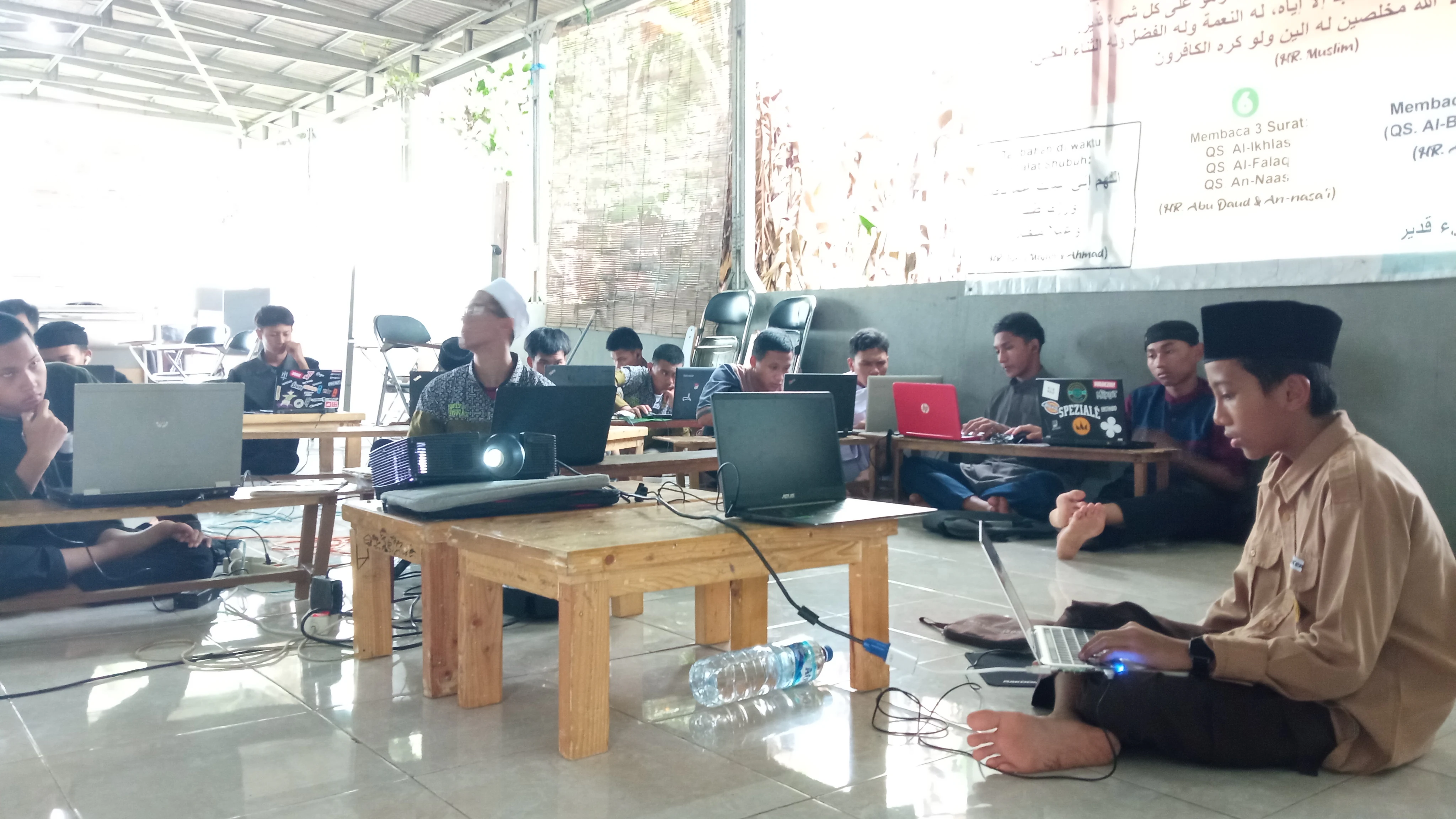
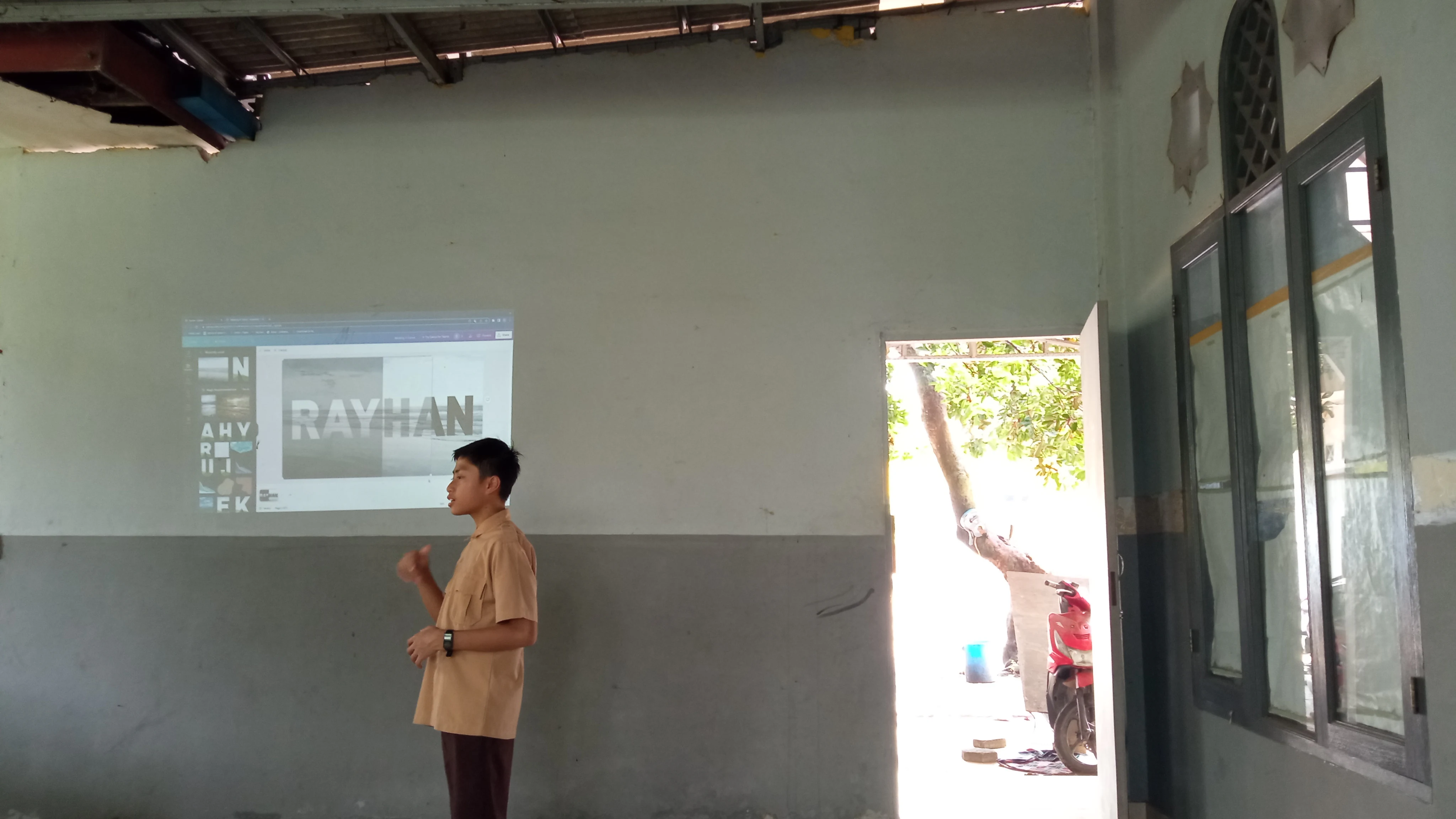
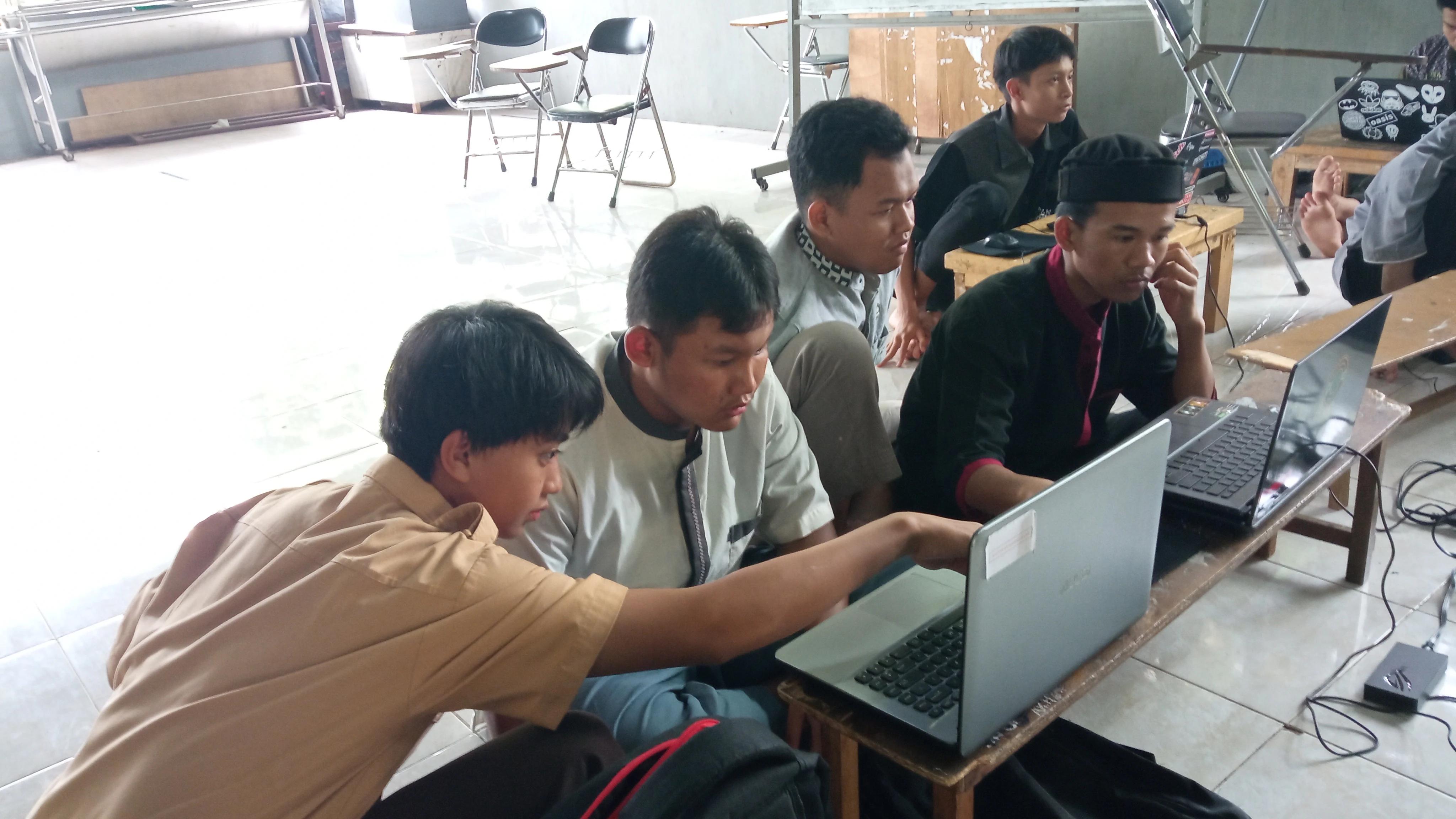
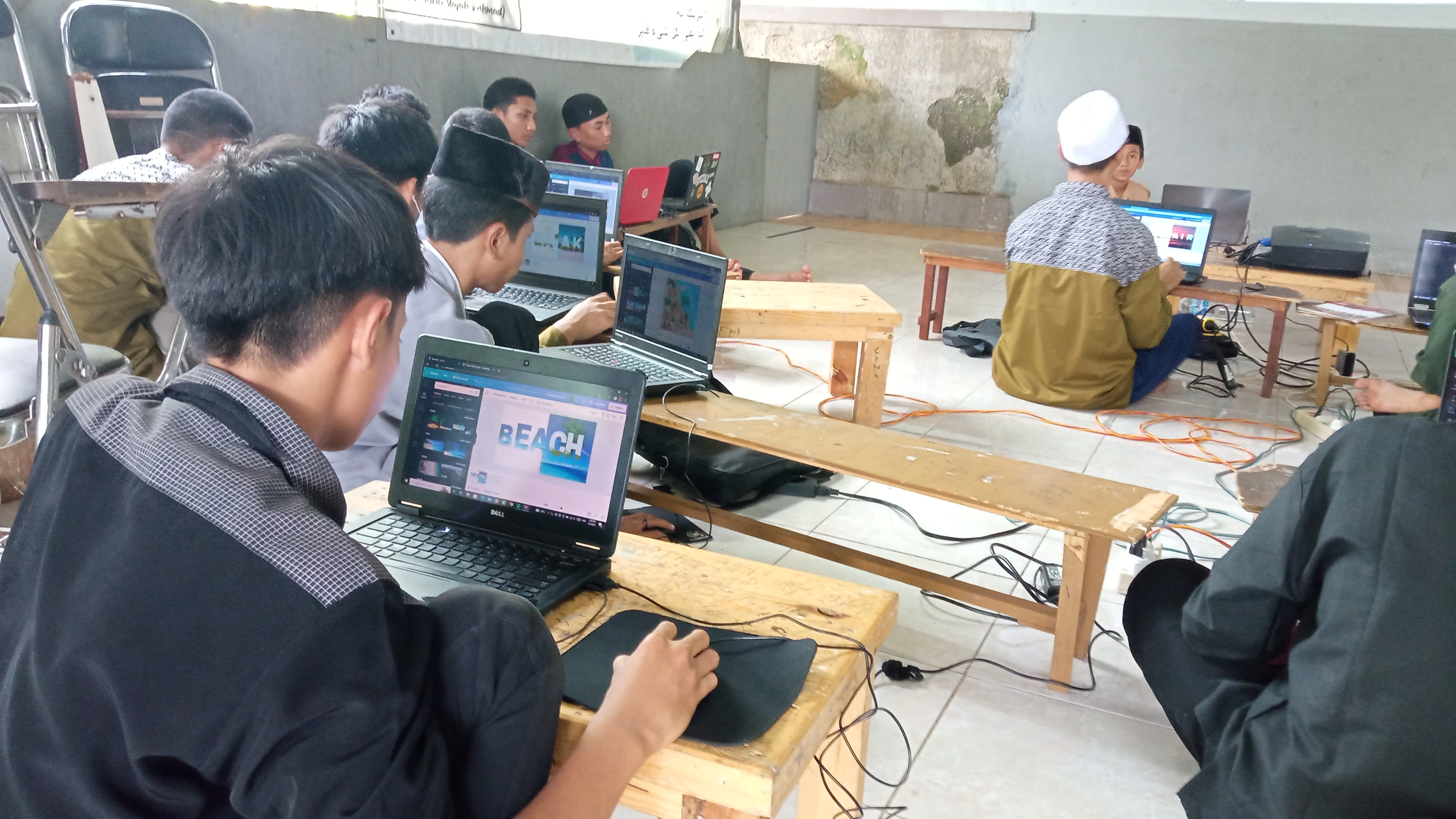
Capturing energetic game design sessions, interactive logic troubleshooting, and student playtest showcases at Semut-Semut.
Demonstrating sprite animation cycles, jump vectors, and Cartesian coordinate math on the main projector screen.
Helping students configure collision detection scripts, velocity variables, and score counters on their laptops.
Students testing and reviewing each other's custom 2D arcade games during the final interactive lab session.
Celebrating a joyful and productive game development workshop alongside school teachers and the student cohort.